
Our Values
Welcome
We welcome you, whatever our differences.
We welcome you from newborn until after you have received your telegram from the King.
We expect you to wriggle and take part - and ask questions if you are unsure.
We welcome those who feel 'organised religion' is not for them (It's not for us either).
Come and find a place here with us.
We welcome those who have been hurt elsewhere.
We won't always get things right, but we will always try and learn together.
We welcome those whose bodies no longer work as they once did,
or perhaps never worked as we would have liked.
Come and make yourselves comfortable.
We welcome those keeping everyone else together, and those trying to keep themselves together.
We welcome those who have a job and those who are looking for one.
We welcome school go-ers and school leavers.
We welcome the retired and the retired-but-still busy.
We welcome questioners and thinkers, creatives and scientists.
You're welcome whether you've got it all sorted, or everything's a mess.
We welcome those needing friends and those whose friends bring them along.
We welcome those who walk or drive past, and those who heard there were biscuits.
We welcome those who didn't know we were here.
Whether you're a regular, a wanderer, or just passing through.
All are welcome here
You are welcome here
What is Christianity?

At the heart of Christianity is what’s called the Gospel. Gospel means ‘good news’ – and it’s this good news about Jesus that shapes everything we believe.
A Christian is someone who believes in Jesus Christ and follows his teachings. The Bible says ‘If anyone is in Christ, there is a new creation. The old has gone, the new has come.’ This points to the deep transformation God brings about in a person’s life. Outwardly we may appear the same, but God’s grace begins a renewing work within us. Christians use difference images to describe this change - discovering a new home, beginning life afresh or entering a new relationship with God. Methodists believe that this is the work of the Holy Spirit, who is present with all who open their lives to God’s love.
The Bible teaches that baptism is a sign of God’s grace and of belonging within the Christian community. In the Methodist tradition, baptism may be received as an infant or as an adult, because it is first and foremost a sign of what God does for us, not something we achieve for ourselves. As people come to faith, they turn towards God, acknowledging their need of forgiveness and choosing to walk in the way of Christ. The letter to the Romans speaks of this new direction in life: “You… are not in the realm of the flesh but are in the realm of the Spirit, if indeed the Spirit of God lives in you.” Christians believe that God freely offers forgiveness and a fresh start to all who seek it. This restoring grace brings people into a living relationship with God that shapes their lives now and into eternity.
Christians believe that Jesus Christ is the Son of God, fully human and fully divine. He lived in first‑century Palestine, teaching about God’s kingdom, welcoming the outcast, and healing the sick. The Gospels tell how Jesus was betrayed, unjustly condemned, and crucified, and how God raised him from the dead. His resurrection is at the heart of Christian faith. Christians believe that Jesus now reigns with God and continues to intercede for the world. The Church also teaches that God will bring all things to completion, and that Christ will be our judge – a judgement rooted in God’s justice, mercy, and love. Those who trust in Christ share in the hope of eternal life with God.
Christians express their faith in many ways, which is why there are different denominations and traditions. Yet the core convictions are shared. The First Letter of Peter describes the Church not as a building but as a community of “living stones,” and speaks of believers as “a chosen people, a royal priesthood, a holy nation, God’s own people.” Being part of a church family is an important part of Christian life. It is a place to worship, pray, learn, serve, and grow together in faith. But simply attending church does not make someone a Christian, any more than travelling to another country makes you a citizen of it. Christian faith is ultimately about relationship – with God, with others, and with the world God loves.
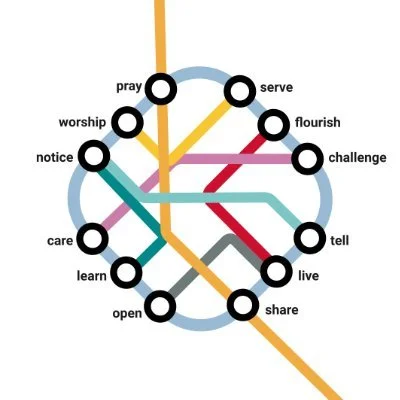
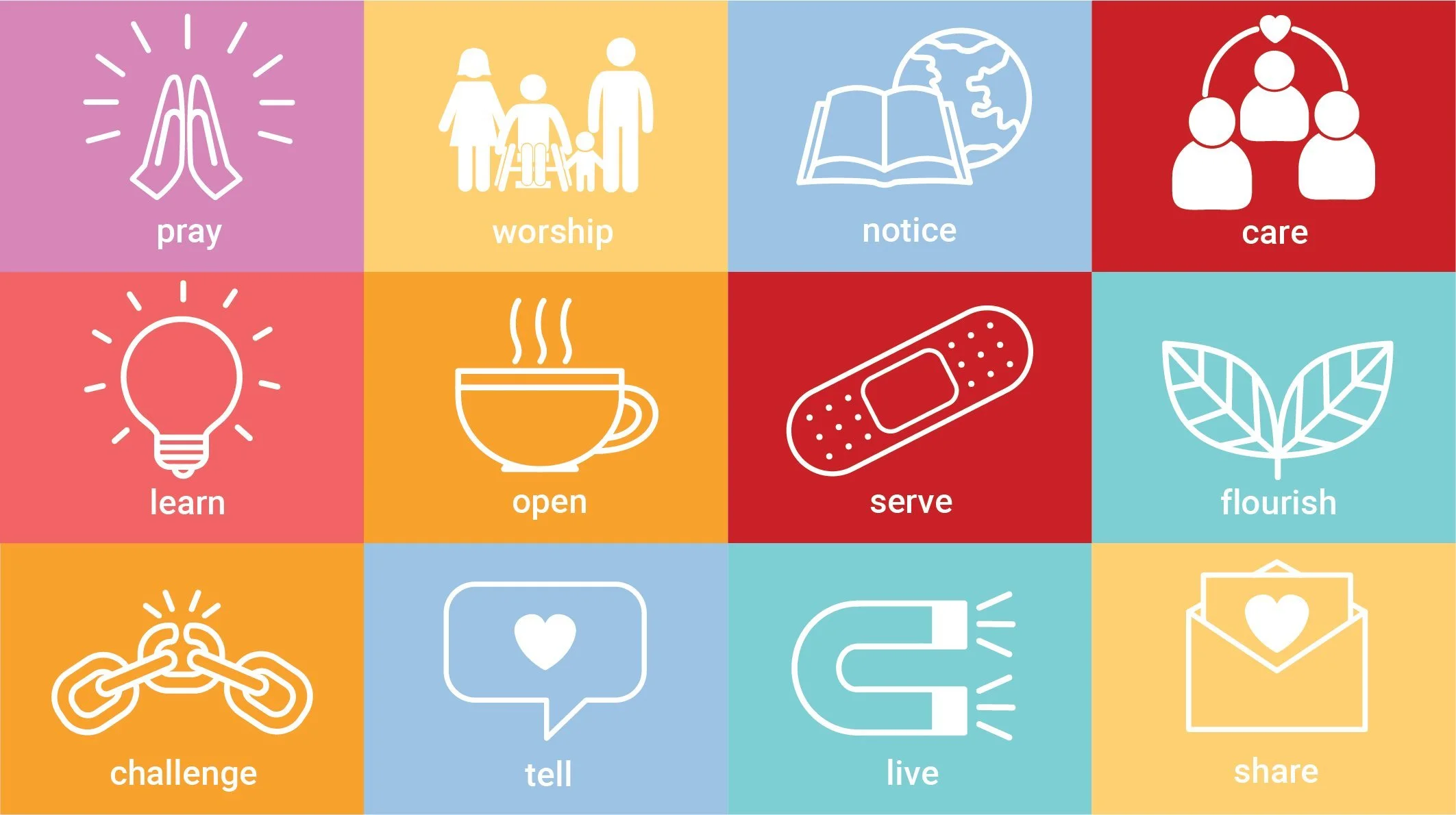
Methodist way of life
For further information on the Methodist Church of Great Britain visit: https://www.methodist.org.uk/